Last Updated on October 28, 2025
Moving into a new house? Welcome to the chaos! Boxes everywhere, missing phone chargers, pizza on the floor because you can’t find a single clean plate—it’s exciting, but let’s be real, it’s also overwhelming.
As someone who’s moved more times than I care to admit, I know the moving process can feel like one long to-do list that never ends. If you’re a new homeowner getting ready to settle into your first home (congrats, by the way!), these creative tips are going to save you time, stress, and maybe even your sanity.
These aren’t the same tired moving tips you’ve seen a hundred times. This post is packed with smart, slightly unconventional ideas that’ll make a huge difference, especially if you’re moving into a new space that needs a little TLC (hello old house and its old plaster walls and squeaky floors).
So let’s jump in—here are 25 creative moving tips for new homeowners that’ll make your transition into your new place way smoother.

1. Use Color-Coding (Not Just Labels) for Boxes
Here’s a trick from The Homes I Have Made—assign a color to each room (like blue for the kitchen, green for the living room), and use that color on your boxes using washi tape, markers, or even printed labels.
It’s a great way to help professional movers or helpful friends know exactly where each box should go, no guesswork involved.
Bonus tip: Tape a color key on the wall of each room in your new house so no one’s asking, “Where’s the green room?”
2. Label More Than Just the Room
Writing “Kitchen” on a box is fine. Writing “Kitchen – Baking supplies – glass bowls” is 10x better. When you’re trying to find your toaster at 7am on Day 2, you won’t have to open every single kitchen box.
Try labeling based on use. For example:
- “Kitchen – Everyday Use”
- “Kitchen – Pantry Staples”
- “Kitchen – Baking Supplies”
Same goes for the living room—boxes marked “Media Setup” vs. “Books” vs. “Decor” make it easier to prioritize what gets opened first in your new space.
OR if you’re incredibly organized—number your boxes and keep a running inventory list on your phone or in Google Sheets. I know, it sounds like overkill. But if you’re moving a whole household, it’ll save you so much time.
3. Photograph Your Old Setup Before You Unplug Anything
TVs, Wi-Fi routers, gaming consoles, that vintage record player you finally got working—before you unplug a single cord, take a quick photo of how everything is set up.
Your future self will thank you when you’re trying to get Netflix working in your new space and can’t remember which HDMI port the Roku was in.
4. Bundle Hanging Clothes in Trash Bags (Trust Me)
This might sound weird, but it’s the best way to move your closet without folding and boxing everything:
- Keep your clothes on the hanger.
- Group them in sets of 10-15.
- Slide a trash bag up from the bottom and tie it around the hanger hooks.
When you get to your new place, just hang them up and pull the bags off. No refolding. No lost hangers. No wrinkles.
5. Use Your Luggage for the Heavy, Valuable Stuff
Here’s what most people don’t think about: your suitcases have wheels and are designed to carry weight. Instead of packing them with clothes (which are light and can go in boxes), use luggage for:
- Books (so many books!)
- Important documents
- Electronics and chargers
- Small appliances
- Anything dense that makes you question your life choices
Your back will thank you when you’re effortlessly rolling that 50-pound suitcase full of cookbooks instead of trying to carry a cardboard box that’s about to give out on you. Plus, hard-shell luggage is way better protection for your laptop than a box labeled “FRAGILE” in Sharpie.
Bonus tip: This is especially genius if you’re moving into an old house with narrow staircases or tricky doorways—wheels beat muscle every time.
6. Use Zip-Lock Bags to Organize Small Parts
Whenever you take apart furniture (bed frames, curtain rods, shelving), put the screws, bolts, and hardware in a labeled zip-lock bag. Then tape that bag directly to the item.
It’s the peace of mind you’ll need when reassembling that IKEA bookcase you swear you’ll never move again.
7. Wrap Breakables in What You Already Own
Packing materials are expensive, and let’s be honest—half of it goes straight into the trash – not the most eco-friendly option. Instead, wrap fragile items in:
- Socks
- Dish towels
- T-shirts
- Pillowcases
- Tablecloths
You’re already moving them—might as well put them to work. Here’s a checklist to help with a more eco-friendly process.

8. Vacuum Seal Off-Season Items
This one is especially helpful for new homeowners moving during a seasonal change OR to old houses with minimal closets (I speak from experience. I have a very small, small, closet). Use vacuum-seal bags to compress winter coats, thick sweaters, or holiday decorations. It cuts down on space and makes unpacking easier later.
Store them under beds, attics, basements, garage etc… until you’re fully settled.
9. Don’t Empty Dresser Drawers—Wrap Them
Why unpack dresser drawers just to repack the contents into boxes? Instead:
- Remove the drawers
- Wrap them in plastic wrap
- Slide them back in once moved
If they’re too heavy, move the drawers separately but leave everything inside. It saves time and box space—and you won’t forget where anything goes.
10. Use a Laundry Basket for Last-Minute Toss-In Items
No matter how well you plan, there will be random items left behind on moving day. Keep an empty laundry basket or bin nearby for:
- Shower items
- Leftover food
- Cleaning supplies
- Pet bowls and leashes
That way, you’re not doing frantic trips with armloads of “stuff” right before you hand over the keys.
11. Take One Last Walkthrough… with Your Phone Flashlight
Before you lock the door for the last time, do a final sweep using your phone flashlight. You’ll be shocked at what you missed in the back of a closet or under the bed.
Check dishwashers, dryers, medicine cabinets, and behind doors—those are the classic “oops, forgot that” zones.
12. Create a “First Night” Survival Bin
Make your first night in your new home a memorable one – and not in a bad way. Before the moving truck pulls up, pack 1-2 clear plastic bins (with a lid!) full of the most important things you’ll need that very first night, such as:
- Toilet paper
- Paper towels
- Toothbrushes
- Soap
- Snacks and water bottles
- Phone chargers
- Basic tools
- Pajamas and a change of clothes
I’ve created a comprehensive checklist with 40+ Essentials for the First Night.

Label this bin and keep it with you in your car if possible—not the moving truck. It’s the easiest way to avoid digging through 15 boxes just to find your toothbrush or the coffee filters.
Bonus tip: Toss in a power strip, nightlight, and small lamp too—especially helpful if your new place has tricky outlets or burnt-out bulbs.
13. Pack a “Boredom Buster” Box for Moving Day
If you have kids (or let’s be honest, adults who get restless when there’s nothing to do), pack one clearly labeled box specifically for moving day entertainment:
- Coloring books and crayons
- Tablets with downloaded movies
- Snacks that don’t require refrigeration
- A deck of cards
- Small toys or quiet activities
- Maybe a new activity they haven’t seen before (desperate times!)
Keep it accessible and break it out when things get chaotic. Nothing derails a moving day faster than cranky, bored family members wandering around asking “when will we be done?” every five minutes.
Trust me on this – your sanity is worth the extra planning.
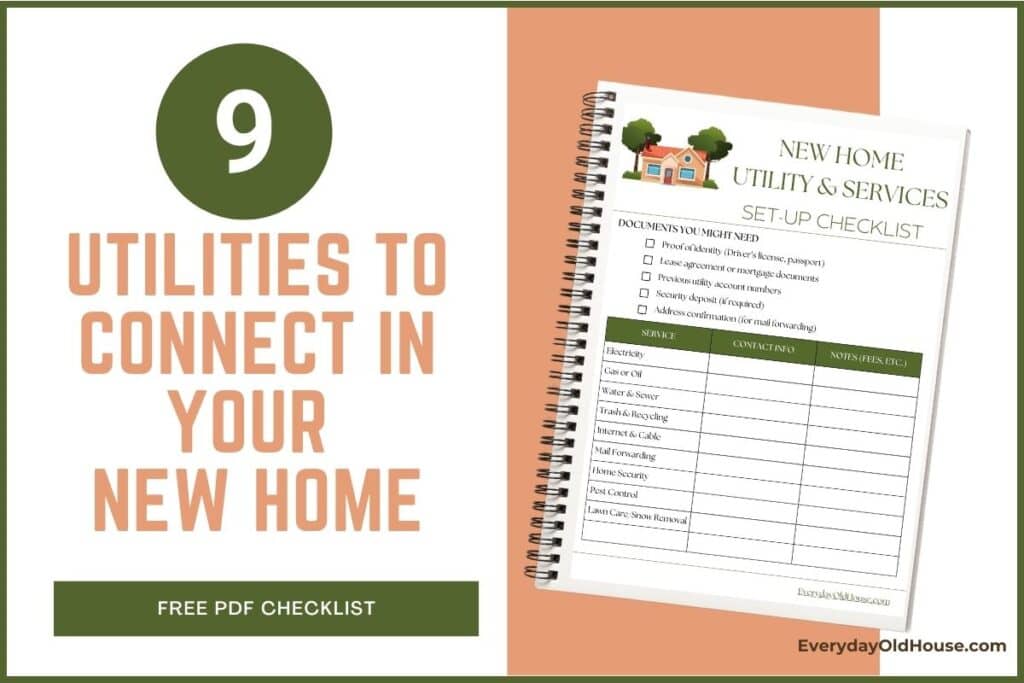
14. Set Up Utilities Before You Move
It sounds obvious, but a shocking number of new homeowners forget to call utility companies in advance. Schedule:
- Electric
- Gas
- Water
- Trash/recycling
- Internet
Try to schedule your internet installation a few days before move-in (if possible) so you’re not stuck using mobile data for the first week.
Use this checklist of all the utility companies you need to contact to help stay organized.
15. Take Measurements Before Moving Day
Your sectional might look great in your current living room, but it might not even fit through the doorway in your new one. Take basic measurements of your new place—ESPECIALLY the doorways, staircases, and key rooms—before move-in day. That way, you won’t be wrestling a couch that literally doesn’t fit.
Or in our case, a queen box spring mattress that didn’t go up the stairs unless we made a hole in the plaster…..
Feeling especially organized? Then also measure windows so you can plan for curtains or blinds ahead of time.
16. Prep Your Professional Movers Like a Boss
If you’re hiring professional movers, do yourself (and them) a favor by getting things ready:
- Reserve parking in advance if your street is tight.
- Label fragile boxes clearly—on all sides.
- Keep pets and kids occupied or safely out of the way.
Even with a reputable moving company, communication is everything. Do a quick walk-through with the team leader when they arrive and point out what’s heavy, what’s fragile, and what needs priority unloading at the new house.
17. Load Your Moving Truck in “Unpacking Order”
Whether you’re DIYing it or helping your movers, think of loading your moving truck like building a pyramid:
- Base layer: Large furniture and heavy boxes
- Middle layer: Medium boxes and lighter furniture
- Top layer: Fragile boxes and awkwardly shaped items
But here’s the trick: Pack first-access items in last, so they come off the truck first. Things like your coffee maker, toilet paper, first-night bedding, and box cutters should be near the back of the truck.
18. Leave a Welcome Note for the New Owners (Karma Hack!)
This one has nothing to do with logistics—and everything to do with good vibes. Leave a short handwritten note for the new owners:
“Welcome to your new home! We loved our time here and hope you will too. The best pizza is at Joe’s on 3rd, and the sunset is best viewed from the upstairs bedroom. Enjoy!”
You’ll be amazed how that small gesture brings you peace of mind during an otherwise hectic time. And might bring you good juju at your new place…
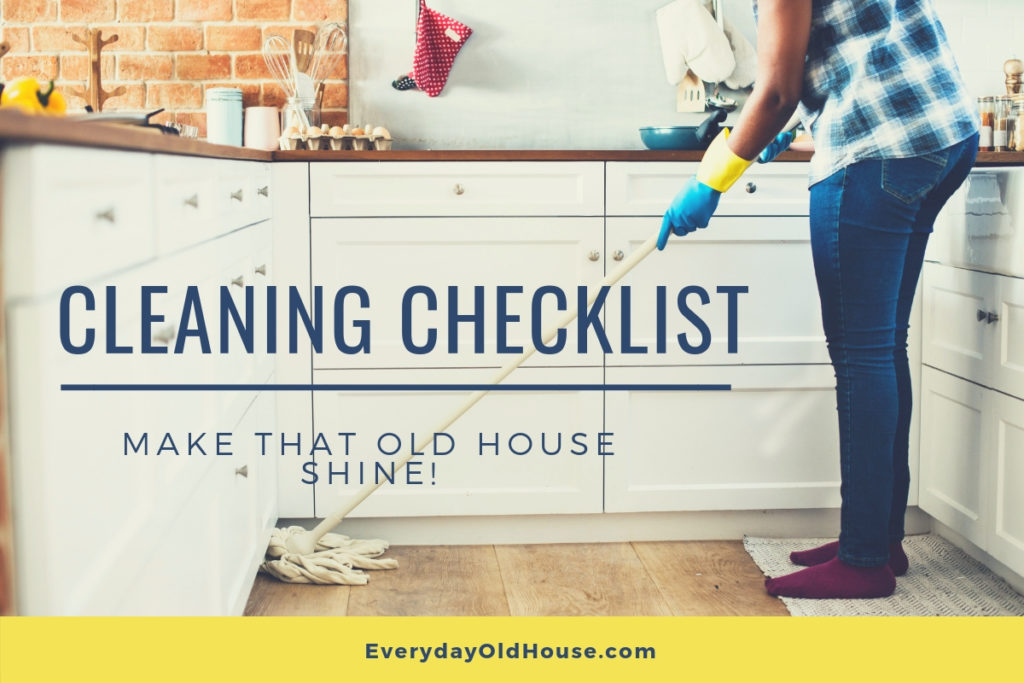
19. Use a “Cleaning Caddy” for the New Place
Even if the old owners cleaned before they left, you’ll probably want to give your new place a once-over before you start bringing in furniture. This is especially true if you’re moving into a house that’s been vacant for a while.
Pack a separate cleaning caddy or bucket with all the essentials you’ll need for a quick but effective clean, including:
- Paper towels and rags
- All-purpose spray cleaner
- Sponges
- Garbage bags
- Broom and dustpan
- A headlamp or small flashlight for those dark closets or tricky corners
Keep this caddy with you (plus this great Printable New House Cleaning List!) and give the house a clean before unpacking. It’s the last time you’ll see those rooms truly empty, so it’s your best chance to get them sparkling clean.
20. Create a Digital Blueprint of Your New Home
Before you move in, take a few minutes to create a simple digital blueprint or floor plan of your new space. You don’t need fancy software—a free app like Magicplan or RoomScan Pro on your phone can do it in minutes.
Take a photo of each empty room and add your own notes, like:
- “The only outlet on this wall is behind the door”
- “This closet has a weird alcove perfect for a tall lamp”
- “The window in here is an odd size—need custom blinds”
You can then add the dimensions of furniture you’re bringing in, and even virtually “place” them in the room to see if they fit. This simple step can save you so much time and frustration and helps you visualize where everything will go before you even start unpacking. It’s especially useful for older homes with quirky layouts, strange nooks, and tight spaces.
21. Start Unpacking Where It Matters Most
Your instinct may be to unpack the kitchen or the living room first—but if you’re exhausted, the bedroom is the best place to start. You’ll want a made bed to collapse into on night one, even if every other room is still chaos.
Next up? Bathrooms and kitchen essentials (not the entire kitchen—just enough to cook and eat).
Save non-essentials (like décor, books, seasonal items) for a rainy day.
22. Unpack in Zones, Not All at Once
Trying to unpack the whole house in a weekend? Unless you have a whole team of assistants, you’ll burn out. Instead, treat unpacking like a mini remodel:
- Focus on one area at a time
- Get it mostly finished before moving on
That might mean the pantry gets organized before you even touch the coat closet. That’s okay. You’ll feel so much more accomplished doing one area well.
23. Avoid Decision Fatigue: Use a Donation Box Right Away
When you’re unpacking, you’ll probably find stuff that makes you think, “Why did I even pack this?” It’s a good idea to declutter during the transition while your priorities are fresh.
Instead of holding onto the guilt, keep an empty donation box in a corner. Fill it as you unpack—no second guessing. Wait 1-2 weeks after you have finished unpacking and getting settled to really decide if you need it.
24. Give Yourself a “Settling-In Weekend”
Once you’re physically moved in, take a weekend to explore your new area:
- Try a local coffee shop
- Visit a park or farmers market
- Introduce yourself to a neighbor
You don’t have to finish unpacking before you start enjoying your new place. In fact, giving yourself permission to pause can help you settle in with less stress and more joy.
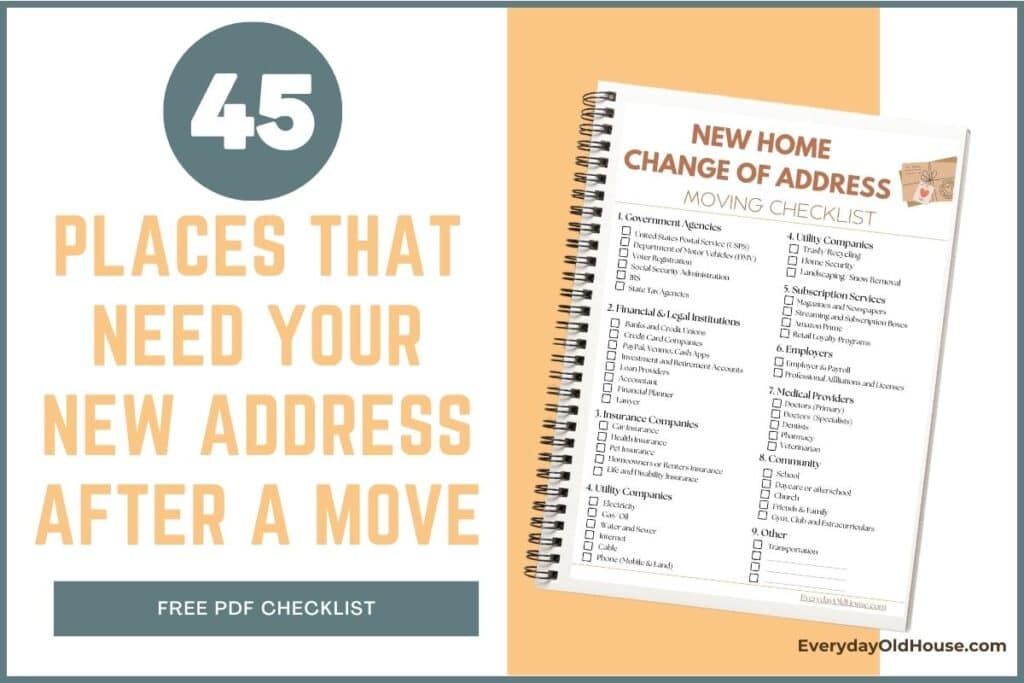
25. Update Your Address (Everywhere)
This one’s tedious but essential. There’s a TON of people/utilities/companies etc. that should get your new address. Update your address with:
- USPS (mail forwarding)
- Banks and credit cards
- Driver’s license and voter registration
- Subscriptions
- Amazon and delivery services
Here’s a checklist of who to notify when you change your address so nothing slips through the cracks.
26. Celebrate Small Wins (You Deserve It)
Unpack one box? Take a break. Hang your first piece of art? Snap a photo. Get the Wi-Fi running? Order your favorite takeout.
Moving is a process, not a single day. It’s okay if it takes a few weeks to feel like you’re home. Progress is progress—even if it’s just one drawer at a time.
Final Thoughts
Moving into your first home is exciting, exhausting, and everything in between. But with a little planning—and these creative moving tips for new homeowners —you’ll feel more prepared and a little less overwhelmed.
Remember: it doesn’t have to be perfect to be a new beginning. Give yourself grace. Celebrate progress. And enjoy making this new house your home.
ULTIMATE MOVING CHECKLIST BUNDLE
Moving is overwhelming — but it doesn’t have to be. If you’re planning a move, check out these other popular free moving pdf checklists:
OR, if you don’t want to waste time printing single checklists……stay calm, in control, and organized with my Ultimate Moving Checklist Bundle: 17 printables + bonus home inventory worksheets, all in one easy download. Your new house deserves to feel like home from the very first night.
Get the bundle today either in my store or via Etsy.

Want to be the first to know about new posts? Be sure to follow me on Pinterest, Facebook, Instagram or Twitter of even Etsy! Or better yet… Subscribe below!
My monthly (admittedly sometimes more, sometimes less….) emails are like receiving a unexpected letter from an old friend WITHOUT needing to put on your slippers and walk out to your mailbox…. See? I got ya, my friend!)
[Note: My posts are proudly connected to these amazing link parties full of DIY ideas and inspiration!]