Last Updated on September 30, 2026
Moving into an old house is one of the most exciting things you’ll ever do — and one of the most humbling. I know, because I’ve lived it. One week you’re in love with the original hardwood floors, the next you’re standing in the basement with a flashlight wondering what on earth that pipe is for.
Every homeowner needs tools for their house. But old houses require additional tools than newer homes. And having these on hand can save you money, prevent damage, and help you care for your home with confidence.
Here’s the list of 27 tools for old houses (divided into 8 categories) I wish someone had handed me on move-in day. Save it. Seriously. Or print the checklist at the bottom! Bookmark, pin, etc and come back to it every time a new house project or issue comes up.
This post contains affiliate links, including but not limited to, Amazon Associates. As such, I earn from qualifying purchases. Full disclosure located here.
1. Tools for Moisture, Rot & Water Intrusion
Moisture is the #1 enemy of old houses. And if you’ve owned an old house for a few years, you’ll quickly figure out that it hides incredibly well. Old houses hide water problems better than they hide anything else. By the time you can see it, it’s usually been going on for a while. These tools for old houses help you catch problems early.
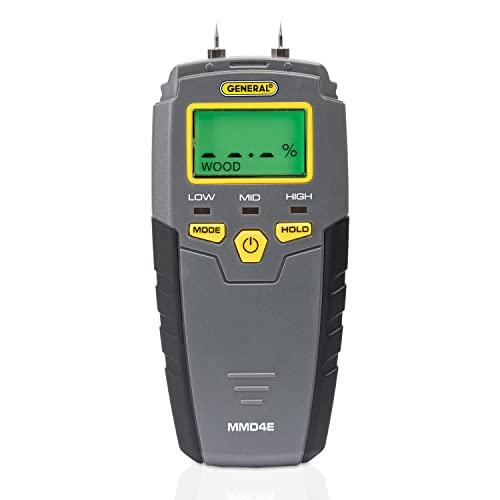
- Moisture Meter – Old houses are experts at concealing water damage. A moisture meter helps you detect damp areas in wood trim, floors, plaster, and around windows before the damage (which leads to mold) becomes visible. →Find a moisture meter
- Water Leak Alarm – Place these under sinks, near washing machines, and in basements. They alert you to leaks immediately which saves you from costly repairs. → Pick up a pack on Amazon
- High‑Quality Dehumidifier – Basements and crawlspaces in older homes are notoriously damp. A dehumidifier protects wood, plaster, and indoor air quality. Our basement dehumidifier (we’ve had for several years) is a workhorse in the humid summer in our unfinished stone basement. → Get one like mine
- Infrared Thermometer (Optional) – Also known as thermal leak detector, it quickly identifies cold spots, drafts, and insulation gaps, especially around windows and exterior walls. My town library loans out a thermal leak detector (and they aren’t cheap), so check your library first. → Get your own
2. Tools for Old Wiring & Electrical Safety
Old wiring is unpredictable. Panels get added to over decades, breakers get mislabeled, and wiring runs in places that make absolutely no sense. These tools keep you safe before you touch anything electrical.
- Non‑Contact Voltage Tester– The most important electrical safety tool you can own. It lets you check whether wires or outlets are live without touching them. →Get one on Amazon
- Heavy‑Duty Extension Cord – Older homes often lack outlets (I can attest to that!). A heavy‑duty cord prevents overloads and keeps tools running safely. →Find an extension cord
- Flashlight or Headlamp – Basements, attics, and crawlspaces in old homes are dark and cramped. A dedicated flashlight makes checking the situation out easier. →Buy one like mine
- Inspection Mirror (Optional)– Perfect for checking behind radiators, under cabinets, and around wiring. (Or just squeeze your phone and take a photo)→Find one on Amazon
- GFCI Outlet Tester (Optional) – Helps you quickly identify unsafe or outdated outlets. →Browse

3. Tools for Old Plumbing & Drains
Old pipes clog, corrode, and leak – it’s as simple as that. Here’s some basic plumbing tools for old houses so that a slow drain doesn’t turn into a service call.
- Heavy‑Duty Plunger -Skip the cheap versions. A strong plunger is essential for older toilets and drains. →Find a plunger
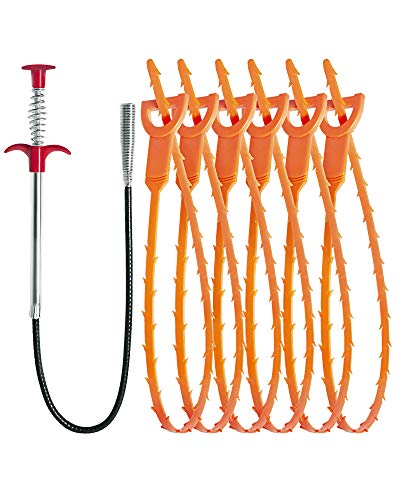
- Drain Snake / Auger – Old pipes clog more often. A drain snake saves you from unnecessary plumber visits. →I use these
- Pipe Wrench – For tightening older fittings and valves that loosen over time. → Amazon’s Choice
- Radiator Key (If Applicable) – If your home has steam radiators, this tiny tool is essential for bleeding trapped air and keeping your system efficient. →Grab a radiator key
RELATED POST: 6 Reasons Why You Shouldn’t Replace Cast Iron Radiators
4. Tools for Settling, Sloping & Structural Quirks
Nothing in an old house is perfectly level — and that’s okay. These tools help you understand what’s normal and what needs attention.
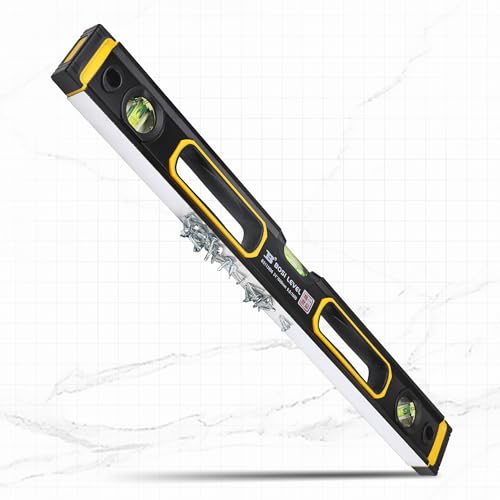
- Level – Great for diagnosing sloping floors, leaning door frames, and uneven walls. →Buy a level like ours
- Stud Finder Compatible with Lath & Plaster – Standard stud finders struggle with plaster walls. Look for a deep‑scan model. →Search on Amazon
- Laser Measure (Optional) – Perfect for odd‑shaped rooms and renovation planning. Honestly, I need one of these, but our 24″ level has done a fine job so far →Grab one
5. Tools for Dust, Debris & Messy Repairs
Old houses generate dust like it’s their full‑time job. Plaster, old insulation, chimney debris, basement grit creates messes I wish I’ve never experienced. These dust maintenance tools for old houses help you manage it without losing your mind.
- Shop‑Vac – Handles plaster dust, chimney debris, and basement cobwebs far better than a standard vacuum. →Find a shop-vac
- Respirator Mask (N95 or Better) – Old homes often contain lead paint, mold, and decades of dust. Protect your lungs during any project. →Buy a pack
- Drop Cloths – Essential for protecting floors and furniture during repairs or painting. →Browse canvas drop cloths
If You Only Buy One Tool…
Start with a shop vac. It handles the kind of mess a regular vacuum simply can’t. I love my Craftsman vac, but I admit this Stanley one is well priced.

RELATED POST: 5 Reasons Why Old Houses Are Dustier [And How to Fix]
6. Tools for Fire Safety
Older homes come with older systems, and higher fire risk (especially while you are doing upgrades and renovations or rehabilitations). These tools are non‑negotiable.
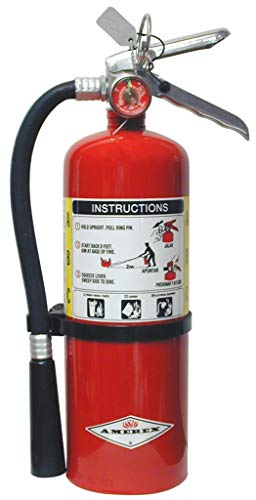
- Fire Extinguisher – One for the kitchen, one for the basement — especially if you have an old boiler or working fireplace. An ABC-rated extinguisher handles ordinary fires, flammable liquids, and electrical fires. Know where it is. Know how to use it. Check the gauge once a year. →Find an extinguisher
- Smoke & CO Detectors – Especially important if you have old boilers, fireplaces, or gas appliances. NOte that these come wired or battery-operated →Browse
RELATED POSTS:
- 5 Reasons Why Old Houses Are More Likely to Catch Fire [And What to Do About It]
- Guide to Fire Extinguishers [Homeowner Perspective]
7. Tools for Everyday Repairs
These are the tools you’ll reach for constantly — not for big projects, but for the steady stream of small things that old houses always have going on.
- Multi‑Bit Screwdriver – Old homes have mismatched hardware. A multi‑bit screwdriver saves time and frustration. →Add one to the toolbox
- Pry Bar / Trim Bar – Perfect for removing original trim without damaging it. →Grab one
- Rubber Mallet – For gently persuading stubborn old components into place. And closing paint cans. →Buy on Amazon
- Caulk Gun – Drafts, gaps, and cracks are everywhere in older homes. A caulk gun is essential for sealing them. →Find a caulk gun

8. Bonus: Exterior & Hard‑to‑Reach Tools
The outside of an old house needs attention too — and a lot of it is up high. While the below is not strictly old‑house‑specific, but essential for maintaining aging exteriors.
- Extension Ladder – Most of what needs watching on an old house exterior (i.e. gutters, rooflines, painting, etc.) isn’t visible from the ground.
Bonus: Download Your Tools for Old Houses Checklist
For ease, here’s a 1-page free printable pdf to download, print and take on your shopping trip! I hope it’s helpful!
Wrapping Up
Here’s the thing about old houses: they reward the homeowners who pay attention. You don’t need to fix everything at once — you just need to know what’s going on. That’s really what these tools do. They give you information before a small problem becomes a big one.
Got an old house tool you swear by that isn’t on this list? Drop it in the comments — I’d love to hear what’s earned a permanent spot in your kit.
Related Posts You’ll Love


Want to be the first to know about new posts? Be sure to follow me on Pinterest, Facebook, Instagram or Twitter of even Etsy! Or better yet… Subscribe below!
My monthly (admittedly sometimes more, sometimes less….) emails are like receiving a unexpected letter from an old friend WITHOUT needing to put on your slippers and walk out to your mailbox…. See? I got ya, my friend!)
[Note: My posts are proudly connected to these amazing link parties full of DIY ideas and inspiration!]